Nerve Plant Care: How to Grow Fittonia Plants
Making your potted perennial look delightful no matter the season isn't a painstaking chore. All you need is to pick the right one. Whether yous're a gray-haired hobbyist or stepping into the gardening scene for the showtime fourth dimension, growing the Nerve establish would be such a desirable experience. Its botanical name is Fittonia verschaffeltii.
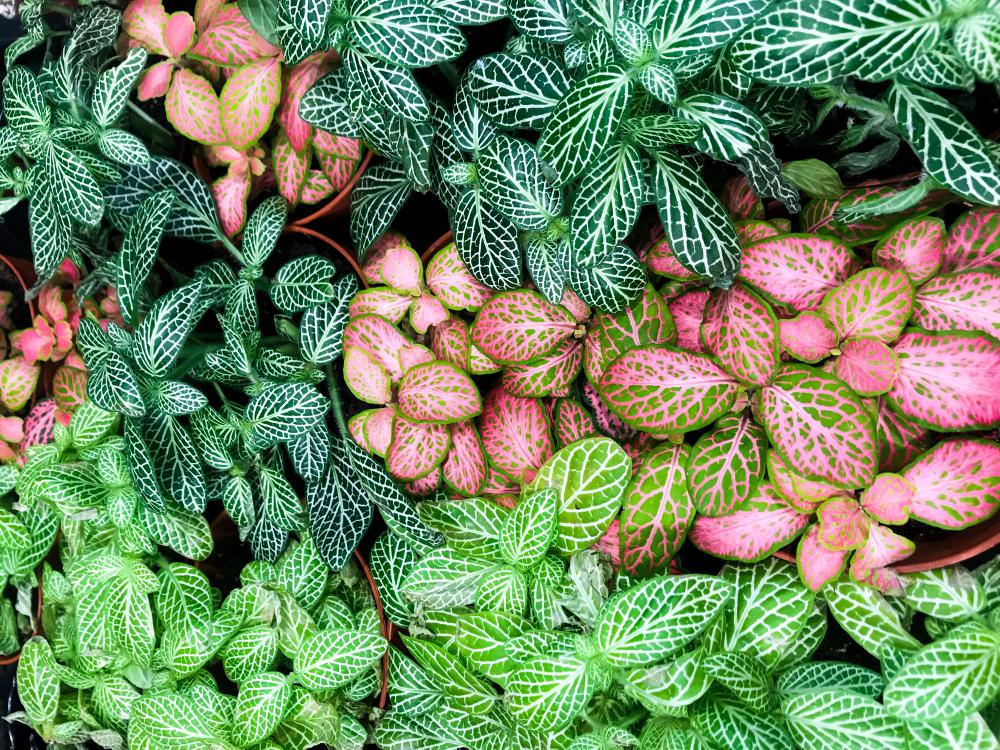
What makes this evergreen houseplant an splendid selection for many is its deep-veined leaves that spread wide to comprehend whatsoever idle space in your dedicated growing space. Then, let's cheque out the handy tips yous could apply to abound and treat this tropical houseplant.
More than About the Nervus Plant
Also known every bit Fittonias, these tropical houseplants typically grow profusely in USDA hardiness zone 11. Nervus plants are aesthetically veined and feature evergreen leaves that spread wide enough to fit compactly inside a hanging basket. Near Fittonia types are petite. They just reach anywhere between 4′ to vi′ inches only can trail up to 18′ inches.Usually, the veins will announced silvery-white, merely a few variegated types have dark-green, ruby-red, and pink veins. Since this perennial is more than of a boring grower, it thrives far better when growing indoors. Quite occasionally, the Nervus establish volition bloom. The secret sauce for making this houseplant produce is tweaking the growing conditions to match its ethnic place.
During the blooming season, you lot might spot some reddish or yellowish-white flowers. However, they're somewhat negligible and don't last for also long. So, it's best to cherish their presence while they terminal. Other commonly attributed names besides Fittonia and Nerve found include Mosaic plant and Internet found. Its native region is effectually the tropical rainforests of S America, peculiarly Peru. Maybe you're scared of owning this houseplant because of how overly sensitive information technology can get when neglected. And some of the recurring reasons why most growers shy off is the tropical beauty demands for constant humidity levels and is prone to any intense heat from the dominicus. Read on to catch a glimpse of the dos and don'ts.
Types of Fittonia
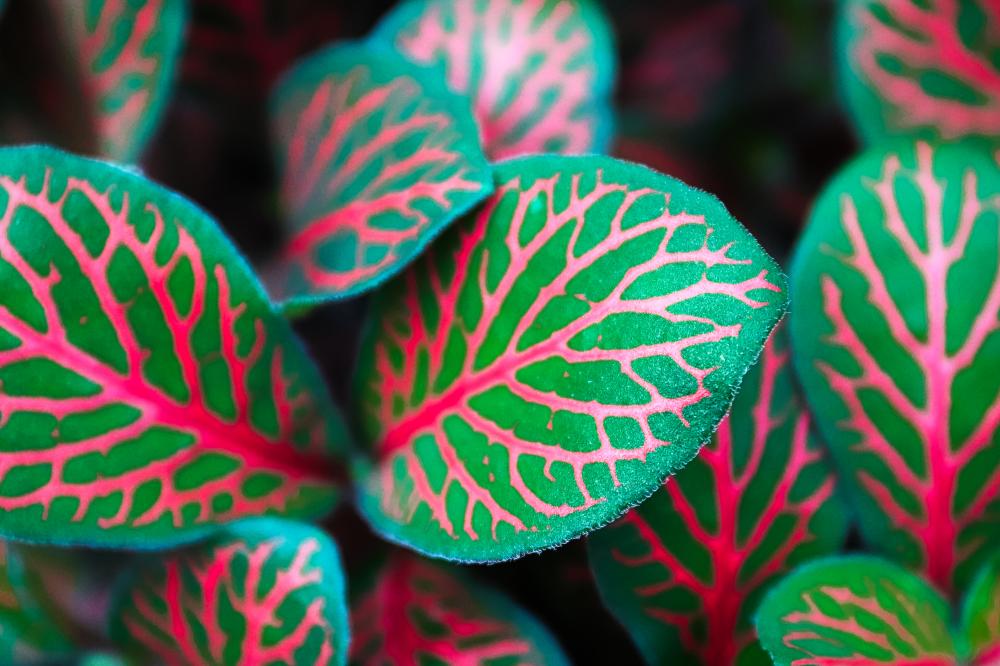
At that place are a couple of Fittonia varieties with dramatic patterns on their foliage. They are in different shades but near have the aforementioned preferences when information technology comes to the growing conditions. Below is a list of some of the popular Fittonia types you'll find in nigh gardening stores or nurseries:
Fittonia 'Black Star': The 'Blackness Star' has bolder and darker leaves than most other Fittonia types. Information technology features showy greenish leaves with purple-reddish veins that make the houseplant possess an affluent advent. This type looks stunning when growing next to other plants that have bright-colored foliage.
Fittonia 'Angel Snowfall': If you're looking for a petite type, the 'Angel Snow' won't disappoint. It has white veins and dense-greenish leafage. You'll also discover some splotches on the edges of the leaves. But, most of all, what you'll perhaps adore about this type is its olive-green leaves that spread up to 10 inches wide.
Fittonia 'Titanic': Virtually gardening pundits tend to detect this type to be a perfect mood booster. Information technology looks mannerly when growing in any corner of your house. The Fittonia' Titanic' has white veins and some light-green windows on the leaves. Although the proper name suggests otherwise, this variegated houseplant is meaty.
Fittonia 'Ruby Red': Y'all might fall for the 'Ruby Red' if y'all fancy growing miniature houseplants with lots of color on them. At offset glance, yous'll realize that this type is red-veined, and its texture feels a fleck tender. And while this is a miniature type, the evergreen perennial is too perfect for ground encompass and adapts to the outdoor environments reasonably well. All you need is to have care of its humidity and lite needs.
Fittonia Caring Tips
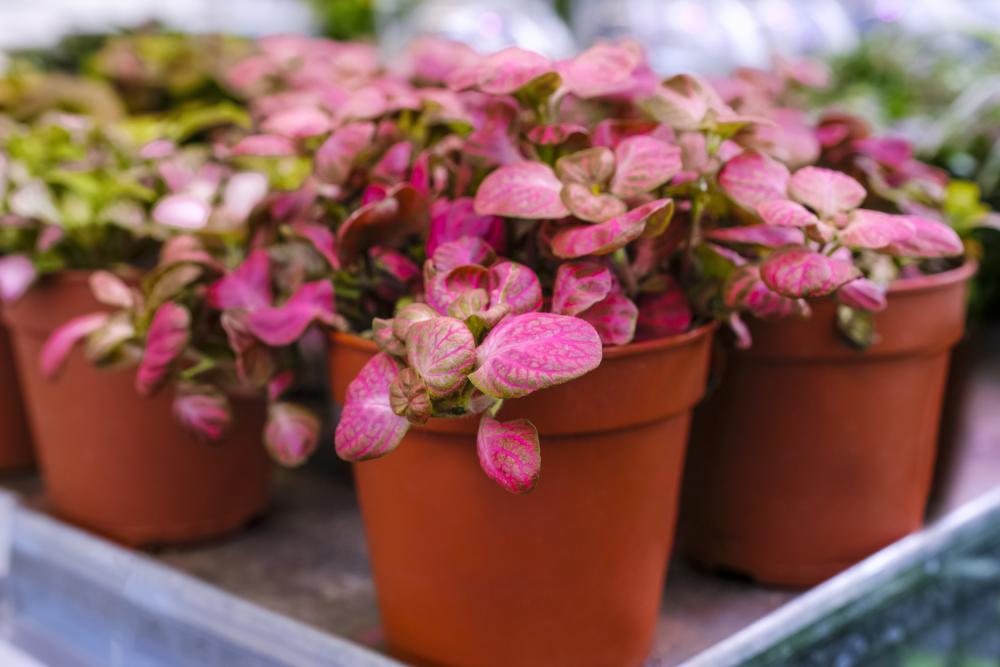
Calorie-free & Temperature
So, how much low-cal does the Nervus plant demand? Perhaps yous're unsure about the exact light weather condition to piece of work with. Fittonias are native to rainforest climates. They're creeping plants that abound to comprehend the basis in their indigenous habitat. And that suggests it's not entirely acclimated to direct sunlight. The preference is more like a civilization to nearly all tropical plants.
It'due south, therefore, all-time to place the growing medium in a spot with bright only filtered light. Your potted Nerve plant will do well under such an environment, but gravely limiting admission to sunlight will crusade your Fittonia to experience leggy growth. The stems will stretch in search of calorie-free. Every bit a result, they'll ultimately go weak, and the foliage colour will lose its vibrancy.
You lot desire to suit the position where information technology grows since this type is overly sensitive to intense sunlight. If the growing medium sits virtually a window that receives lots of direct lite from the sun during afternoon hours, the heat could burn the leaves. It'south all-time to look out for whatsoever early signs of wilting. Hence, you want to conform the position to control the sun exposure. I like growing my tropical houseplants near a north-facing window. The direction is perfect for letting in bright, indirect light.
Temperature
While Fittonias are tropical plants, they need a consistent temperature range. Although near tropical plants are discerned to relish warmer climates, your Fittonia won't tolerate an environment with intense rut. In its indigenous identify, the Nerve plant grows in shady locations where the rain forest filters heat from the dominicus. Therefore, if you're growing this plant indoors, you'll need to grow it in a spot where the typical temperatures range between 60 to 80 degrees Fahrenheit.
Using a heater to suit the indoor temperature would be a recipe for disaster. The leaves will dry upward. At the same fourth dimension, it'southward worth noting that the nervus plant isn't frost-hardy. Depression temperatures volition lead to wilting. During wintertime, move the growing medium indoors to protect your Fittonia from cold drafts that crusade the leaves to lose their turgidity.
Humidity
Equally is the instance with a wide array of other usually grown tropical houseplants, the Nerve found prefers to grow in an environment with high humidity. Fittonias also like to grow in soil that retains some flake of moisture. On average, the typical humidity range to work with should autumn anywhere between sixty and 70 percent. Low humidity levels will cause the leaves to dry up. Bearing the capacity to grow as terrarium plants, information technology'southward apparent that Fittonias have a potent affinity for high humidity. And then, if y'all have a couple of bucks to spare, investing in ahumidifierwould be a sold thought. Humidifiers tend to be useful, especially during the dry months of wintertime or in hot and arid environments.
Yous can also opt to abound your Nerve plant near a bathroom or kitchen sink where humidity levels are constantly high. Some avid gardeners ofttimes prefer placing the growing pot on a tray filled with water and pebbles. If yous're Fittonia is growing in a terrarium setup, gently mist it regularly using a spray bottle. In a nutshell, you lot need to mimic the humid atmospheric condition of rainforests where this tropical plant is native to.
Watering & Feeding
To keep upwardly with this plant's watering needs, you would need to acquire the patterns. If it stays without suitable moisture levels for too long, the Nervus plant begins to lose its vigor. Apart from working with a potting mixture that retains some moisture for the longest time, you need to water the plant regularly. Make sure the soil is evenly moist to go on your Fittonia from collapsing. On the other mitt, be conscientious not to expose your houseplant to the dreaded effects of overwatering. Poor drainage causes the soil to remain soggy much longer than usual. If the leaves are beginning to turn yellow, then chances are you're overwatering your Fittonia.
Fittonias don't need any intense fertilizing. However, you might want to restore its vibrant foliage color. The all-time time to fertilize this houseplant is during the tardily weeks of spring or early summer. Your Fittonia will need a weekly dose of liquid fertilizer that's tweaked for tropical plants. It's all-time to work with soluble fertilizer in the ratio of five-5-five and brand certain to dilute it at half its strength. You also want to check out the instructions on the fertilizer's label before feeding your houseplant. Cold weather reduces the plant's enzyme activeness quite drastically. And since the growth hormones end up going into dormancy, at that place's no demand for feeding your Nerve plant during winter.
Soil & Transplanting
Since Fittonias are moisture-loving plants, you'll need to grow them in a soil structure that retains a considerable level. To elevate the moisture retentiveness level, you tin use a regular potting mix with some bit of garden soil and so make some amendments to it. For case, use organic matter, sphagnum moss, or peat to better the potting mix. Perlite likewise helps with aeration quite dramatically. Finally, use a container with plenty drainage holes to let out any excess moisture.
In one case the old soil seems to have depleted all the essential nutrients, repotting and replacing it would be necessary. The roots of Fittonias normally spread wide, and then transplanting is ideal at least in one case every year. Yet, if the roots are starting to squeeze their style out through the drainage holes, it'due south the concrete reaction suggests that your Fittonia needs a larger container.
How to Propagate the Nerve Found
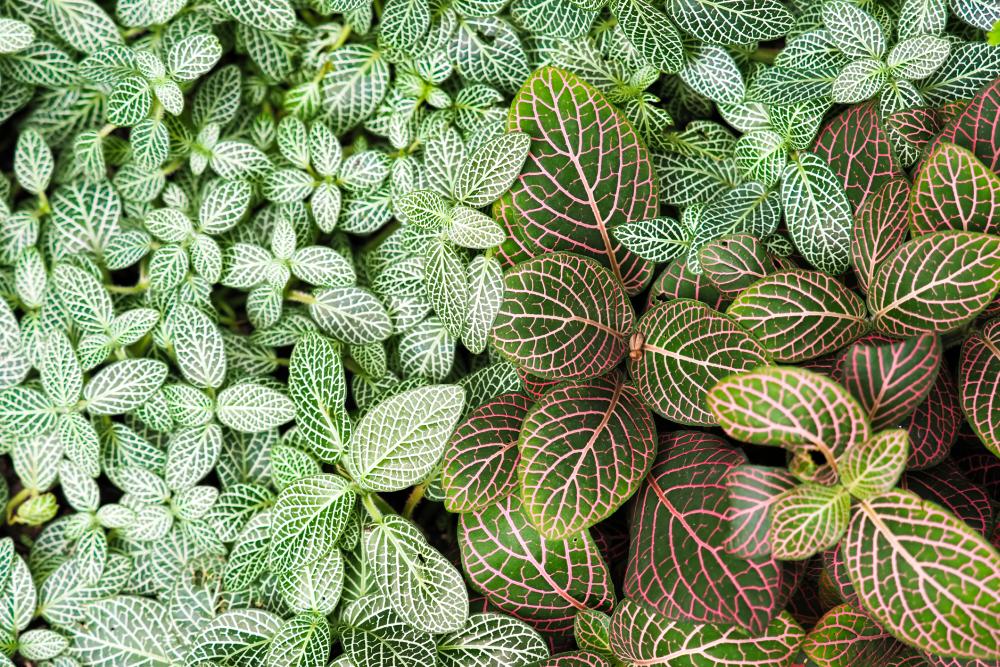
Reproducing this prepossessing tropical is easy via stem cuttings. All you demand to do is identify a female parent plant that seems to accept good for you leafage. Stem cuttings usually form root roughly within 2 weeks. To achieve higher success when propagating, avoid sourcing cuttings from a mother establish that looks sick. Await till late bound or early summer to brainstorm propagating your Nervus plant. Apart from stems, you lot tin choose to use leafage-tip cuttings.
When dissecting the cuttings, make sure to use a sharp and sterilized pair of scissors. For optimal results, have stem cuttings with at least two leafage nodes.Go rid of any leaves from the nodes close to the base function of the cutting. Next, you'll need to prepare a peat-based potting mix for planting the cuttings. Roots volition begin to emerge inside 2 or 3 weeks. If the growing conditions are subprime, you might consider using a rooting hormone to boost the chances of success during the early sprouting stage.
Nerve Found Problems
While Fittonias aren't prone to pregnant threats, y'all nonetheless want to lookout man out for common pests similar mealybugs, fungus gnats, aphids, and spider mites. You can treat infestations using insecticidal soaps or with neem oil to prevent the bugs from spreading further to other houseplants in your collection. Also, if the leaves begin to plow yellow, chances are yous're overwatering your Nervus found.
Overwatering leads to root rot; hence y'all could lose the whole plant. Keep the roots from getting stuck in soggy soil for too long and apply a growing medium with enough drainage holes. Extreme cold weather will also cause the leaves to drib, so you'll demand to mimic the tropical conditions of where this houseplant is native to. When your Fittonias aren't getting enough humidity or exposed to intense heat, the leaves will start to wither and dry out up.
Source: https://www.diys.com/fittonia-plants/
0 Response to "Nerve Plant Care: How to Grow Fittonia Plants"
Post a Comment